0:00Operation IceBridge: What (and who) it takes to keep a mission flying
0:06In 2016, Operation IceBridge was joined by Dr. Piers Sellers,
0:08a NASA earth scientist, astronaut, and manager,
0:10who came north to connect with the mission and its partners in the high Arctic.
0:12As we return in 2018, we remain grateful to the late Dr. Sellers,
0:15the NOAA crew who provided us a safe and successful field season,
0:16and the men and women of the U.S. Air Force in Thule who maintain
0:17an invaluable base of operations for our science missions
0:22NASA's Operation IceBridge operates out of one of the world's harshest climates
0:24Northwest Greenland (750 miles north of the Arctic Circle)
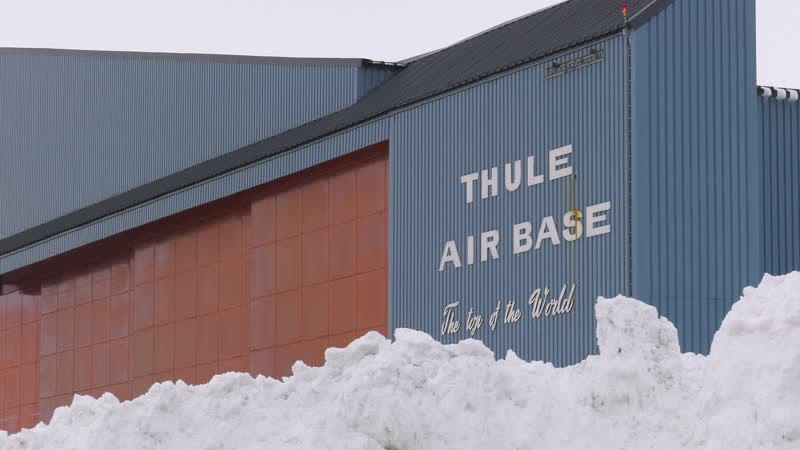
0:29So here we are at Thule Air Base, and this was put here originally in the fifties
0:34as a Cold War, you know, forward outpost - bombers and all that stuff
0:38And since then, it's come back to being a scientific base, for us anyway, for NASA at least
0:45and a few other military applications as well.
0:49The United States works closesly with its Danish counterparts to support missions like Operation IceBridge
0:54It's a huge collaborative effort. We do very little without the work with each other.
1:00Because we have an airfield and we have a port and we have a lot of facilities here
1:02We have a lot of infrastucture and it's fairly unique this far north
1:06anywhere in the world, and so as a result of that, we allow
1:09NASA, the National Science Foundation, as well as reserachers from around the world
1:14get access to the high Arctic.
1:17The United States Air Force provides critial support to NASA's efforts in the Arctic.
1:19So on the aircraft operations side, having a hangar is really important
1:23and the Air Force has been able to provide us with that hangar space
1:25It's important for both the aircraft, that it stays warm
1:27and doesn't have to start up from a cold state
1:29and also for the scientific instraments - we don't want them to get cold
1:32to possible cause any damage to them.
1:36We love the different missions that come through here
1:39be it the NASA missions or a lot of the National Science Foundation missions
1:43When IceBridge comes up here probably one of the biggest things that I do
1:47is we make sure you guys get the fuel you need for the aircraft
1:51and then any kind of passenger or cargo movement that you guys need to
1:55send up here to conduct your operations.
2:00For air traffic control, there's significant, some challenges, some new experiences
2:05we get when we get different type of aircraft outside of our typical C-17, C-130 military aircraft.
2:11The simiple part of it is pretty much making sure the targets on our scope don't touch
2:15We seperate you guys, we have quite a few rules that we have to abide by
2:20Once you get into the habit of it, it gets fairly simple
2:23My job here is to keep the NASA mission going, keep you guys safe
2:27by providing air traffic control services
2:29We're here to be flexible with you all and help you complete your mission.
2:36Thule Air Base continues to be an instramental partner in NASA's ongoing work studying our changing planet
 ▶ Watch on Afoli
 Wood chopping1:42
 Testing the Dragonfly drone in the dunes2:25
 Sunset over Bangkok, timelapse4:53
 The Amazon canopy in laser data2:01
 A gas carrier transits Porpoise Bay2:40
 The Dog Factory (1904)4:29
 Hobby horse laughs6:41
 The rapids and falls of Ohiopyle2:56