0:04In 2018, NASA is dispatching two new satellite missions
0:09whose observations will include Earth’s most critically changing regions – the poles.
0:14They’re NASA's first new missions in 15 years that will
0:17measure how Earth's massive ice sheets are changing.
0:30Previously thought to be slow-moving and stable, the ice sheets covering
0:34Greenland and Antarctica have rapidly lost ice over the last several decades.
0:39As a result, scientists predict global sea level could be
0:421 to 4 feet higher by 2100.
0:46This kind of significant change could increase the rate
0:48of warming already in progress and affect global weather patterns.
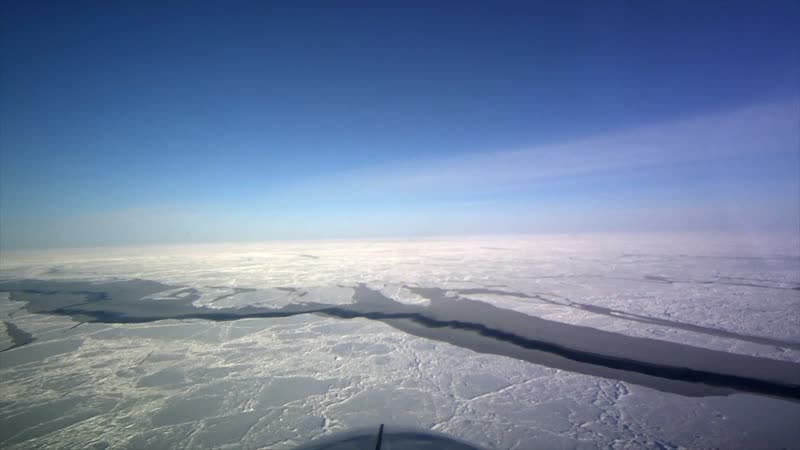
0:53But ice sheets aren’t Earth's only frozen spots experiencing critical change.
0:58Ice sheets, sea ice, glaciers, permafrost, and snow cover
1:02are all showing signs of transformation.
1:05Collectively known as the “cryosphere”,
1:07these frozen zones help sustain stable conditions for life on Earth.
1:12However, rising temperatures worldwide
1:14are resulting in ice loss, global sea level rise, thawing permafrost, and more.
1:22This spring, NASA and the German Research Centre for Geosciences (GFZ)
1:26will launch GRACE-FO, continuing the revolutionary
1:29gravity measurements of its predecessor, GRACE.
1:33Designed to observe global surface mass changes,
1:36including land ice, sea level, and water on land,
1:39GRACE was the first satellite to confirm
1:42the shrinking of the Greenland and Antarctic ice sheets.
1:46In September, ICESat-2 will launch and use its advanced laser
1:49to measure the thickness of sea ice and the changing elevation of glaciers and ice sheets.
1:54The mission will provide scientists with a view of how the height of the ice sheets are changing,
1:58to within less than an inch.
2:01GRACE-FO and ICESat-2 will be NASA’s newest “eyes in the sky"
2:05while an extensive field team of researchers collect complementary airborne and
2:09ground data about ice, snow, permafrost and the role the ocean plays in Earth’s frozen regions.
2:16Working together, these new missions and campaigns will help
2:19NASA predict how the cryosphere is changing
2:22and how those changes will impact the way we live.
 ▶ Watch on Afoli
 Wood chopping1:42
 Testing the Dragonfly drone in the dunes2:25
 Sunset over Bangkok, timelapse4:53
 The Amazon canopy in laser data2:01
 A gas carrier transits Porpoise Bay2:40
 The Dog Factory (1904)4:29
 Hobby horse laughs6:41
 The rapids and falls of Ohiopyle2:56