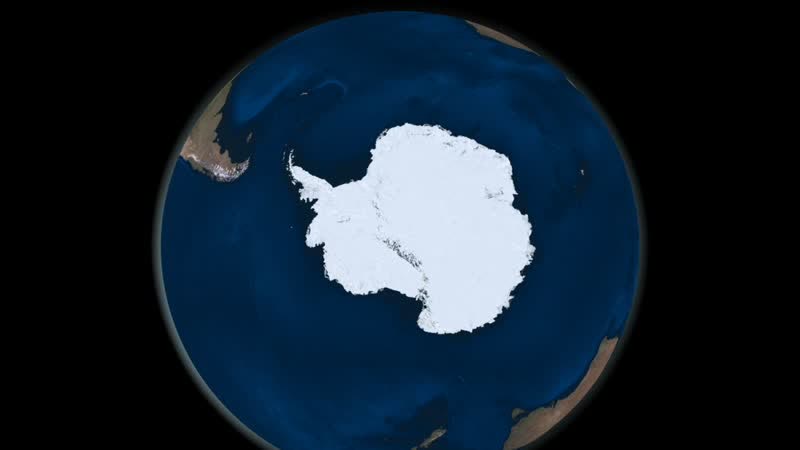
 ▶ Watch on Afoli
Return to Pine Island Glacier
- Afoli Video
- 0 views
- Published 16 November 2026
- Duration: 3:36
Nature and wildlife: Return to Pine Island Glacier. From the NASA Image and Video Library: a public-domain work of the US government.
0:01there are frustrations in doing this
0:03science and probably the greatest
0:05frustration especially with polar
0:07research is how long it takes well we're
0:12focused on Pine Island glacier the one
0:15place in Antarctica where things are
0:17happening fastest and the changes are
0:20the greatest the satellites have
0:23directed us there but we have to get our
0:26boots on the ground into the snow right
0:28there to be able to make the
0:31measurements of what is going on
0:32underneath the ice to understand the
0:35details of those processes so we can
0:38predict what the future is going to be
0:40we want to go back as soon as we can and
0:43we're being held back by the need to
0:45establish this helicopter support camp
0:48and that's going to take at least
0:50another two seasons to complete we
0:54learned that we can't land with the
0:57small airplanes that we were hoping to
0:59use the surface is too rough and too
1:02hard to safely establish our peel camp
1:06with a fixed-wing aircraft you can only
1:09work in Antarctica about three months
1:11out of the year so already it's four
1:13times slower because three months out of
1:15every 12 you can actually do something
1:18in the field so that's one thing that
1:21slows it down the fact that we are so
1:23far from McMurdo and having to wait two
1:26years just to have the type of camp that
1:29we have to have there so we can get
1:31safely onto the ice shelf the scale of
1:33the journey is is quite massive just
1:35because this is a long way from McMurdo
1:38that the major US base this is 1400
1:41miles away but that final 400 miles
1:44that's going to be this over snow
1:45Traverse that's going to be very slow
1:48and laborious so the scale of this is
1:50like going from from McMurdo to West
1:53Antarctica that's like flying from DC to
1:56Kansas City and then getting on a very
1:59slow lawnmower and driving at lon lower
2:02speed from Kansas City out to Denver so
2:05it does take some time well while the
2:09people who are working on setting up
2:11this camp are doing their thing we're
2:12doing our thing which is science so
2:15although we can't be at the Ice Shelf
2:17itself we're looking at other satellite
2:19data to learn as much as we possibly can
2:22about the ice shelf before we go back
2:24well one of one of the really neat
2:27things about this project is that
2:28because nobody has ever made these
2:31measurements and this is such a
2:33dramatically changing area that we're
2:36going to discover something we just know
2:38we're going to discover something
2:39because nobody has ever looked
2:40underneath this very active ice shelf
2:43and looked at how the ocean is
2:45interacting with the ice and how the ice
2:48sheets responding so discovery is a sure
2:50thing discovery is always the most
2:52exciting thing about doing science I
2:53mean I am just itching to go and is
2:56really frustrating to have to wait but
2:59we learn as much as we can in the
3:01intervening time to be even better
3:04prepared to do the science which once we
3:07actually have the opportunity to be
3:08there it does take time but the reward
3:11is the discoveries that we make and the
3:13the increase in knowledge and ability to
3:16predict what these ice sheets are going
3:19to do in the future and how it will
3:20affect people worldwide that makes it
3:22worth the frustration that makes it
3:24worth the effort
3:33you
 Wood chopping1:42
 Testing the Dragonfly drone in the dunes2:25
 Sunset over Bangkok, timelapse4:53
 The Amazon canopy in laser data2:01
 A gas carrier transits Porpoise Bay2:40
 The Dog Factory (1904)4:29
 Hobby horse laughs6:41
 The rapids and falls of Ohiopyle2:56