0:00Like the Antarctic ice sheet, the Greenland ice sheet is a dynamic polar
0:04region where the atmosphere, temperature and ocean currents force changes
0:08to the balance of the ice sheet. Andrews: In the Arctic we have a
0:12wide variety of glaciers and ice caps, but the largest
0:16glacier is the Greenland ice sheet. And it's composed of a number of different
0:20outlet glaciers and land-terminating glaciers.
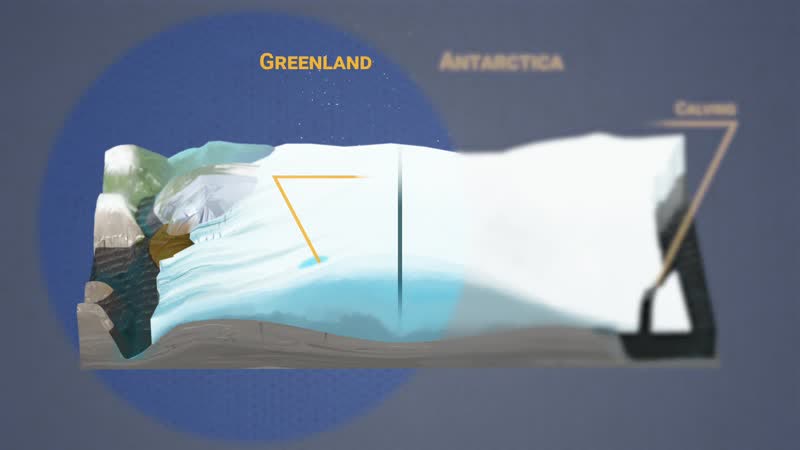
0:24When an ice sheet is in balance, the amount of snow coming in
0:28is equal to the amount of melt and calving
0:32that is going out. In Greenland, unlike Antarctica,
0:36we have a situation where we have large amounts of melt and large amount of calving.
0:44So that Greenland is losing mass regularly every melt season. And
0:48the accumulation during the winter does not balance that
0:52mass loss that occurs during the summer. Atmospheric currents
0:56play a really important role in directing warm
1:00bodies of air onto the ice sheet. And as the
1:04jet stream moves from the west across the Greenland ice sheet,
1:09it can add a substantial amount of moisture and warmth
1:13to the surface of the ice sheet and cause
1:17increased or elevated surface melting. Surface water
1:21on the Greenland ice sheet only flows a small distance on the surface.
1:25It eventually will reach a crevasse or a moulin,
1:29which is this large vertical conduit that is named after
1:33the windmill in French, and that is because it makes this
1:37large whooshing sound whenever water goes in. They act
1:41to drain large volumes of water. Almost all of the surface melt that occurs
1:45on the ice sheet to the bed of the ice sheet. VO: The ocean
1:49surrounding Greenland also impacts the changes to the ice sheet.
1:53Andrews: Warm ocean currents from the south travel along the edges of the Greenland
1:57ice sheet. And as it travels along the edge of the ice sheet, this water
2:01can intrude into these fjords along
2:05the periphery. And this intrusion of warm water
2:09can then interact with the front of the outlet glaciers, which can
2:13increase the amount of melting, it can speed the rate of calving,
2:17and can substantially influence the dynamics of outlet
2:21glaciers. This imbalance in the ice sheet is
2:25continuing to grow. This increase in melt intensity and
2:30extent alters the surface reflectance of the ice sheet,
2:34which we call surface albedo. VO: The ice sheet's albedo helps cool the planet
2:38by reflecting solar energy back into space. The ICESat-2 satellite
2:42will measure the changes in thickness of the ice sheets, which will help us understand how
2:46changes in the reflective nature of the polar regions could affect climate.
2:50[music]
2:54[music]
 ▶ Watch on Afoli
 Wood chopping1:42
 Testing the Dragonfly drone in the dunes2:25
 Sunset over Bangkok, timelapse4:53
 The Amazon canopy in laser data2:01
 A gas carrier transits Porpoise Bay2:40
 The Dog Factory (1904)4:29
 Hobby horse laughs6:41
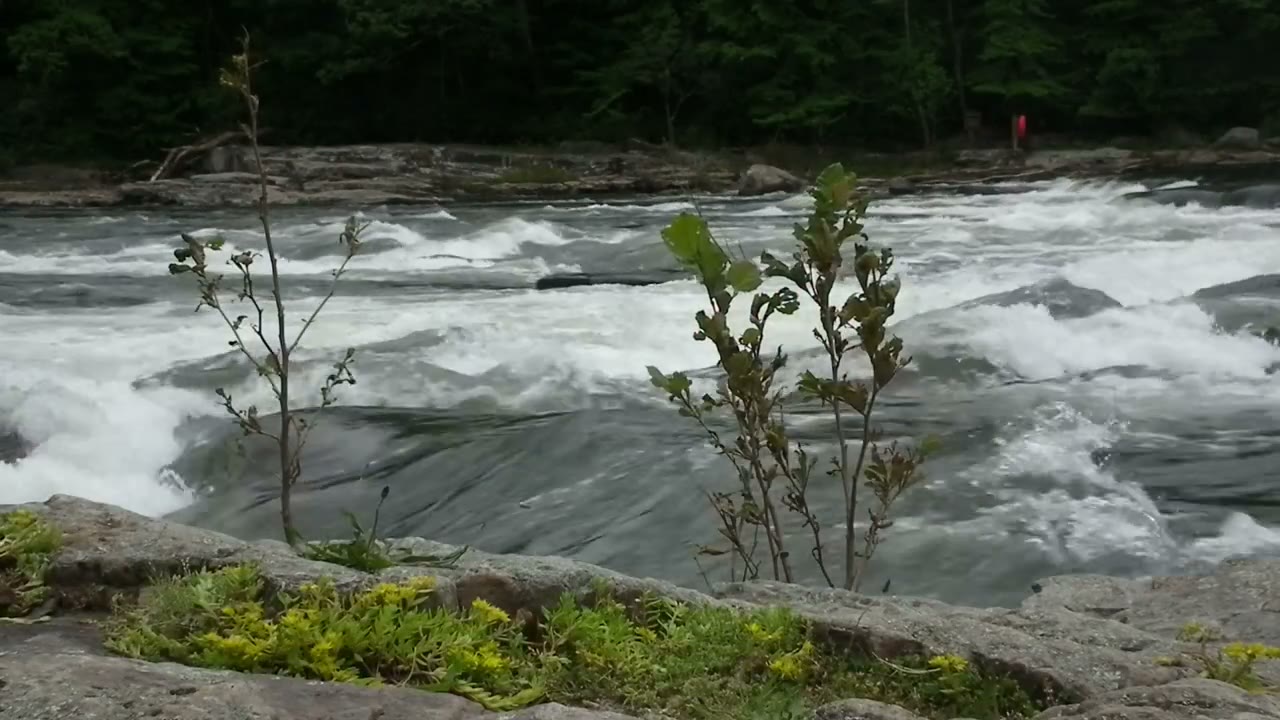 The rapids and falls of Ohiopyle2:56