0:00In the summer of 1969 NASA made
0:04history. Well, yes, up here, of course,
0:08but way, way down here too.
0:16Down 2,000 feet under the surface of the ocean. Starting off the coast of
0:20Florida, six aquanauts drift along inside the Gulf Stream
0:24for thirty days.
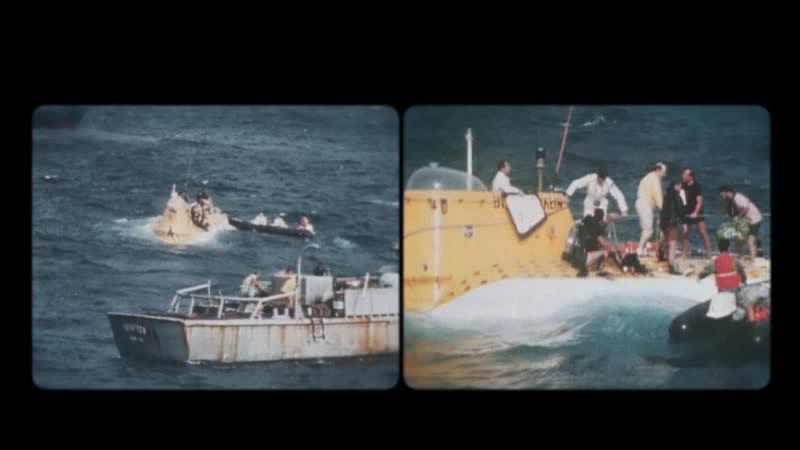
0:33This is the Ben Franklin, a fifty-foot submersible
0:37designed by Swiss explorer Jacques Piccard and his team of engineers.
0:41The mission of the Ben Franklin is to explore the Gulf
0:45Stream, not by powering its way through it like a military submarine might
0:49do, but to enter it and become a part of it.
0:53The Ben Franklin will drift passively within the core of this massive current,
0:57observing and gathering scientific data along the way.
1:06The crew will collect continuous observations on
1:10drift speed, water depth, water temperature, salinity,
1:14marine life in the stream and conduct 3D photomapping of
1:18the Continental Shelf. As the
1:22days extend into weeks, the crew of the Ben Franklin makes exciting
1:26scientific discoveries and observes amazing sea life
1:35while at the same time having to endure sudden surges in the current,
1:39abrupt changes in the sea floor, and malfunctioning support
1:43systems that begin to make life inside the sub very
1:47uncomfortable. On August 14, 1969,
1:51after 1,400 miles and 31 days spent drifting within the Gulf
1:55Stream, the Ben Franklin splashes up some 300 miles
1:59off Nova Scotia, Canada.
2:07The Ben Franklin and the Apollo 11 missions were perhaps the greatest
2:12expeditions of their kind and ended a decade of incredible technological
2:16achievements. The findings from the Ben Franklin mission
2:20provided a wealth of information that is still being used to this day and helps
2:24provide a better understanding of the Gulf Stream and its role in weather and climate.
2:28This influence becomes abundantly clear each year
2:33as hurricanes tear through the Atlantic coastal region. The warm water
2:37of the Gulf Stream often increases the intensity of hurricanes.
2:41That's when the impact of ocean currents can very literally hit home.
2:45NASA studies the ocean from a very different perspective, using
2:49satellites in space that can make measurements of many key ocean factors,
2:53such as ocean color, temperature, salinity, and many more that
2:57influence the ocean, such as winds and sea ice. Ocean currents
3:01are also closely linked with our atmosphere. The exchange of heat
3:05between the ocean and the atmosphere drives the atmospheric circulation
3:10over the entire globe. Ocean currents on the surface and the deep ocean circulation
3:14also redistribute heat absorbed by the ocean and allows the ocean
3:18to act as our planet's thermostat, helping regulate the temperature of Earth.
3:22The ocean and atmosphere are just two components of complex
3:26global system of give-and-take that impacts Earth's overall climate.
3:31From the work done over 40 years ago by the Ben Franklin mission,
3:35to the work done today by its satellites, NASA's study of Earth's
3:39systems is contributing to a better understanding of global climate change,
3:43its causes, effects, and consequences.
 ▶ Watch on Afoli
 Wood chopping1:42
 Testing the Dragonfly drone in the dunes2:25
 Sunset over Bangkok, timelapse4:53
 The Amazon canopy in laser data2:01
 A gas carrier transits Porpoise Bay2:40
 The Dog Factory (1904)4:29
 Hobby horse laughs6:41
 The rapids and falls of Ohiopyle2:56